

ESP32 Alternatives - Finding the Best Microcontroller for Your Project Needs - Comprehensive Comparison Guide
Best ESP32 alternatives compared with prices: ESP8266 ($2-7), Pico ($4-10), STM32 ($5-30). Find the cheapest WiFi microcontrollers vs Arduino, Pi, STM32.
ESP32 microcontrollers and development boards have gained a lot of popularity among hobbyists and even manufacturing community because of their flexible power supply, where you can connect it directly to USB (Type A, Type C, etc. depending on the controller and board) and wide connectivity options. With integrated Wi-Fi and BLE (Bluetooth Low Energy) capabilities, a dual-core processor and a rich set of peripherals the ESP32 is a great candidate for many embedded system designs or hobbyist projects.
However, in some cases, ESP32 may not be the best choice for several reasons such as cost, power consumption, architecture or compatibility with already owned hardware or software.
🔍 Quick Answer: Best ESP32 Alternatives
💰 Budget Option:
ESP8266 - Same ecosystem, WiFi included, $2-$7
🏗️ ARM Architecture:
Raspberry Pi Pico - ARM Cortex-M0+, WiFi+BT, $4-$10
📱 BLE Specialist:
nRF52840 - Best BLE, low power, $7-$20
Today we will take a look at some of the main ESP32 alternative options, and discuss their use cases and pros and cons.
Key Criteria to Consider When Choosing an ESP32 Microcontroller Replacement #
💲 Price
One of the main reasons for looking for an ESP32 replacement is price. Find a microcontroller that's more affordable while still providing the functionality you need.
🔋 Power Consumption
If your project is battery-powered or needs to save power, look for a microcontroller that uses less power than the ESP32.
⚡ Processing Power
Depending on project complexity, you may need a microcontroller with more processing power than the ESP32.
📡 Connectivity
If your project requires specific connectivity like LoRa, Zigbee, or Cellular, look for microcontrollers with these options.
🏗 Architecture
Choose a microcontroller ecosystem you already know, with a large developer community and strong support resources.
🔄 Compatibility
Look for alternatives compatible with your existing hardware or software components.
Price Comparison: ESP32 vs Alternatives (2025) #
💰 Price is often the deciding factor. Here's a complete cost breakdown of ESP32 alternatives from cheapest to most expensive, including typical prices from Amazon, AliExpress, and other retailers in 2025:
| Board | Price Range 2025 | Typical Amazon | Typical AliExpress | Value Rating |
|---|---|---|---|---|
| ESP8266 | $2 - $7 | $4 - $7 | $2 - $4 | ⭐⭐⭐⭐⭐ Best Budget WiFi |
| ESP32 (WROOM) | $3 - $10 | $6 - $10 | $3 - $6 | ⭐⭐⭐⭐⭐ Best Overall Value |
| ESP32-C3 | $3 - $10 | $5 - $10 | $3 - $6 | ⭐⭐⭐⭐ RISC-V Budget |
| Raspberry Pi Pico W | $4 - $10 | $6 - $10 | $4 - $7 | ⭐⭐⭐⭐ ARM Budget |
| Arduino Nano | $5 - $20 | $8 - $20 | $5 - $12 | ⭐⭐⭐ Premium Simplicity |
| STM32 (F4/H7) | $5 - $30 | $10 - $30 | $5 - $15 | ⭐⭐⭐⭐ Pro Performance |
| nRF52840 | $7 - $20 | $10 - $20 | $7 - $15 | ⭐⭐⭐⭐ BLE Specialist |
| ESP32-S3 (Enhanced) | $8 - $15 | $10 - $15 | $8 - $12 | ⭐⭐⭐⭐ ESP Premium |
| Teensy 4.0/4.1 | $20 - $35 | $25 - $35 | $20 - $30 | ⭐⭐⭐⭐⭐ Premium Power |
💰 Cheapest WiFi Board
ESP8266: $2-$7
- ✅ WiFi included
- ✅ Same ecosystem as ESP32
- ✅ AliExpress: as low as $2
- ❌ No Bluetooth
🎯 Best Value Overall
ESP32: $3-$10
- ✅ WiFi + Bluetooth
- ✅ Dual-core 240 MHz
- ✅ 520 KB RAM
- ✅ Massive community
⚡ Premium Performance
Teensy 4.1: $20-$35
- ✅ 600 MHz ARM Cortex-M7
- ✅ 1 MB RAM
- ✅ Audio/DSP optimized
- ❌ No WiFi/Bluetooth
💡 Price Comparison Key Insights:
- Budget WiFi ($2-$7): ESP8266 is unbeatable for simple WiFi projects
- Best value ($3-$10): ESP32 offers the most features per dollar with WiFi + Bluetooth
- ARM ecosystem ($4-$10): Raspberry Pi Pico W competitive pricing with ARM compatibility
- Performance premium ($20-$35): Teensy costs 3-5x more but delivers 2.5x processing power
- Industrial grade ($5-$30): STM32 pricing varies widely based on features and certification
- Where to buy: AliExpress typically 30-50% cheaper than Amazon, but longer shipping times
Comparing ESP32 with its alternatives #
To get a better view of the differences and similarities between the boards that we already discussed, let’s take a look at the comparison table:
📊 Here's a comprehensive specs comparison of all microcontrollers discussed. The ESP32 is highlighted as our baseline for comparison.
| Board | Processor | Clock Speed | Flash | RAM | Connectivity | Voltage | Price |
|---|---|---|---|---|---|---|---|
| ESP32 | Tensilica LX6 | 240 MHz | 4 MB | 520 KB | I2C, SPI, UART Wi-Fi, Bluetooth | 2.2 - 3.6 V | $3 - $10 |
| Raspberry Pi Pico | RP2040 (ARM Cortex-M0) | 133 MHz | 2 MB | 264 KB | I2C, SPI, UART WiFi, Bluetooth | 1.8 - 5.5 V | $4 - $10 |
| STM32 | ARM Cortex-M | 480 MHz | 2 MB | 512 KB | SPI, I2C, UART USB, Ethernet, CAN | 1.7 - 3.6 V | $5 - $30 |
| Arduino Nano | ATmega328P | 16 MHz | 32 KB | 2 KB | I2C, SPI, UART (No WiFi/BT) | 5 V | $5 - $20 |
| Teensy | ARM Cortex-M7 | 600 MHz | 8 MB | 1 MB | I2C, SPI, UART (No WiFi/BT) | 3.3 - 5 V | $20 - $35 |
| nRF52840 | ARM Cortex-M4 | 64 MHz | 2 MB | 256 KB | I2C, SPI, UART Bluetooth, NFC | 1.7 - 3.6 V | $7 - $20 |
| ESP8266 | Tensilica L106 | 160 MHz | 4 MB | 80 KB | I2C, SPI, UART Wi-Fi | 2.5 - 3.6 V | $2 - $7 |
| ESP32-C3 | RISC-V | 160 MHz | 4 MB | 400 KB | I2C, SPI, UART WiFi, Bluetooth | 3 - 3.6 V | $3 - $10 |
💰 Best Value
ESP8266 ($2-$7) for WiFi projects
⚡ Most Powerful
Teensy (600 MHz, 1 MB RAM)
🎯 Best Balance
ESP32 (performance + connectivity)
Power Consumption Comparison: ESP32 vs Alternatives #
🔋 Power consumption is critical for battery-powered IoT projects. Here's how ESP32 compares to its alternatives in typical operating modes:
| Board | Active Mode | WiFi Active | Deep Sleep | Best For |
|---|---|---|---|---|
| ESP32 | 80-160 mA | 160-260 mA | 10 µA | WiFi IoT projects |
| nRF52840 | 4-15 mA | N/A (BLE only) | 0.4 µA | Ultra-low power BLE |
| ESP8266 | 80 mA | 170 mA | 20 µA | Budget WiFi sensors |
| Raspberry Pi Pico | 30-50 mA | ~120 mA | 0.8 mA | Balanced power usage |
| STM32 | 50-120 mA | N/A | 2-10 µA | Industrial applications |
| Teensy 4.1 | 100-140 mA | N/A | 5-10 mA | Performance > power |
| Arduino Nano | 15-30 mA | N/A | 15-30 µA | Simple low-power sensors |
🏆 Best Battery Life
nRF52840 - Deep sleep 0.4 µA, active 4-15 mA for BLE projects
⚖️ Best WiFi Balance
ESP32 - Good deep sleep (10 µA) with WiFi capability
⚡ Highest Consumption
Teensy 4.1 - High power for maximum performance
💡 Power Consumption Key Takeaways:
- For BLE-only battery projects: nRF52840 offers 10-40x better power efficiency than ESP32
- For WiFi battery projects: ESP32 and ESP8266 are your best options with excellent deep sleep modes
- For wired/mains powered: Power consumption is less critical, choose based on performance needs
- ESP32 vs nRF52840 power: ESP32 uses 160-260 mA with WiFi active vs nRF52840's 4-15 mA BLE mode
ESP32 Advantages and Disadvantages: Why Consider Alternatives? #
Before exploring alternatives, it's important to understand what makes ESP32 great and where it falls short. This helps you decide if you truly need an alternative.
✅ ESP32 Advantages
- Integrated WiFi + Bluetooth: No external modules needed, saves cost and complexity
- Excellent price/performance: $3-$10 for dual-core 240 MHz with wireless connectivity
- Large ecosystem: Massive community, libraries, and tutorials available
- Dual-core processing: Run WiFi tasks on one core, application on another
- Generous memory: 520 KB RAM and 4 MB flash for complex applications
- Low power modes: Deep sleep uses only 10 µA for battery projects
- Rich peripherals: I2C, SPI, UART, ADC, DAC, PWM, touch sensors built-in
- Arduino IDE support: Easy programming with familiar Arduino framework
- Wide availability: Available globally from multiple manufacturers
❌ ESP32 Disadvantages
- Limited processing power: 240 MHz insufficient for audio DSP, video processing, or complex ML
- No official Arduino certification: Not officially Arduino-compatible (though Arduino IDE support exists)
- Higher WiFi power consumption: 160-260 mA with WiFi active drains batteries quickly
- BLE performance: Adequate but not optimized like dedicated BLE chips (nRF52840)
- Non-standard architecture: Tensilica LX6 vs widespread ARM Cortex-M ecosystem
- Less industrial-grade: Not as robust as STM32 for automotive/medical applications
- RAM limitations: 520 KB RAM can be limiting for graphics-heavy projects
- No USB host mode: Can't directly interface with USB devices (keyboards, storage)
- Learning curve: FreeRTOS dual-core programming more complex than single-core Arduinos
🎯 When to Choose ESP32 Alternatives:
- Need more processing power: Choose STM32 (480 MHz) or Teensy (600 MHz) for audio/video processing
- Extreme battery life: Choose nRF52840 for BLE projects with years of battery operation
- Budget constraints: Choose ESP8266 ($2-$7) for simple WiFi sensors
- ARM ecosystem required: Choose Raspberry Pi Pico or STM32 for ARM Cortex-M compatibility
- Industrial applications: Choose STM32 for certified automotive/medical/industrial reliability
- USB host capability: Choose Teensy or STM32 for direct USB device interfacing
- Simpler projects: Choose Arduino Nano for basic sensors without wireless needs
5 Best ESP32 Alternatives in 2025 #
💡 We've focused on microcontrollers with similar form factors and size that are widely available on Amazon and AliExpress - not just specs on paper, but boards you can actually buy and use today.
Raspberry Pi Pico
RP2040 • ARM Cortex-M0+
STM32 Series
ARM Cortex-M • High performance
Arduino Nano
ATmega328P • Classic choice
Teensy
ARM Cortex-M7 • Audio powerhouse
nRF52840
ARM Cortex-M4 • BLE specialist
Other ESP Versions
ESP8266 • ESP32-C3 • More
Or jump straight to the Comparison Table →
Raspberry Pi Pico (RP2040) #
💰 Price
$4 - $10
⚡ Performance
133 MHz dual-core
🎯 Best For
ARM projects, battery devices

Raspberry Pi Pico (RP2040)
The Raspberry Pi Pico is a microcontroller board based on the RP2040 chip. It is developed in-house by the Raspberry Pi Foundation. The RP2040 chip contains a dual-core ARM Cortex-M0 processor with up to 264KB RAM and various peripherals such as I2C, SPI, UART and PWM.
The Raspberry Pi Pico offers the same features as the ESP32 including Wi-Fi and Bluetooth but a different architecture and development ecosystem.
Raspberry Pi Pico is compatible with many software libraries including popular programming languages such as MicroPythonMicroPython and C making it easy to get started. Raspberry Pi Pico boards’ small size and low power consumption make them perfect for battery-powered devices and space-constrained projects.
One of the main advantages of the Raspberry Pi Pico is its capabilities to price ratio. While it provides an ARM architecture, it comes at a fairly cheap price.
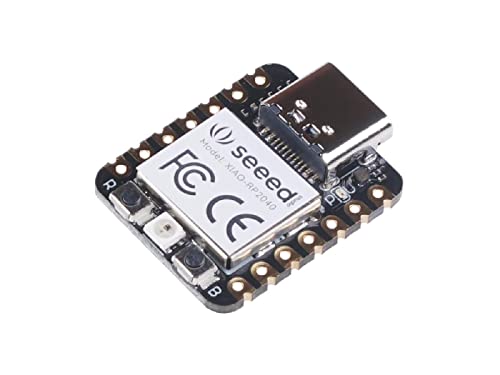
Seeed Studio XIAO RP2040 Board
STM32 Series #
💰 Price
$5 - $30
⚡ Performance
Up to 480 MHz
🎯 Best For
Professional projects, IoT
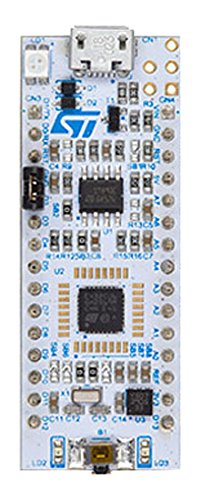
STM32 Series Board
Key Highlights:
- Architecture: ARM Cortex-M series with exceptional processing power
- Performance: Clock speeds up to 480 MHz for demanding applications
- Power Management: Advanced power-saving modes for battery-powered devices
- Peripherals: Rich set including ADC, SPI, I2C, UART, CAN, USB, Ethernet
- Ecosystem: Large developer community with extensive support and resources
- Compatibility: Supports C, Python, and various development tools/IDEs
- Variety: Multiple models with different performance levels and form factors
STM32 microcontrollers are known for their professional-grade reliability and are ideal for IoT systems and commercial applications where performance and power efficiency are critical.
Arduino Nano #
💰 Price
$5 - $20
⚡ Performance
16 MHz single-core
🎯 Best For
Simple projects, beginners

Arduino Nano Board
Key Highlights:
- Simplicity: Based on ATmega328P - easier architecture for beginners
- Ecosystem: Full Arduino software and library compatibility
- Form Factor: Smaller and cheaper than Arduino Uno
- Peripherals: I2C, SPI, UART, PWM, and built-in USB connectivity
- Availability: European-manufactured (Arduino brand) with trusted quality
- Community: Massive Arduino community support and tutorials
- Use Case: Perfect for projects that don't need wireless connectivity or heavy processing
Think of the Arduino Nano as a gateway to microcontroller development - it's simpler to use than ESP32, making it ideal for learning and straightforward projects where you want to stick with the trusted Arduino family.
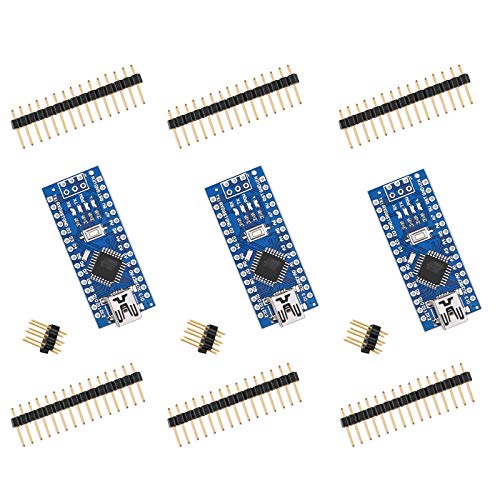
Arduino Nano Clone Board
Teensy #
💰 Price
$20 - $35
⚡ Performance
Up to 600 MHz
🎯 Best For
Audio, high-performance

Teensy Microcontroller Board
Key Highlights:
- Architecture: ARM Cortex-M7 processors - cutting-edge performance
- Processing Power: Clock speeds up to 600 MHz (2.5x faster than ESP32)
- Memory: Up to 8 MB Flash and 1 MB RAM for complex applications
- Audio Excellence: Outstanding for audio processing and synthesis projects
- Communication: Advanced interfaces including I2C, SPI, UART
- Compatibility: Works with Arduino software and libraries, plus Python support
- Variety: Multiple sizes and configurations for different project needs
- Trade-off: Smaller community and higher price, but exceptional performance
Teensy boards are the powerhouse option - perfect for projects requiring fast, complex calculations like audio processing, real-time signal processing, or applications where ESP32's performance isn't quite enough.
nRF52840 #
💰 Price
$7 - $20
⚡ Performance
64 MHz ARM Cortex-M4
🎯 Best For
BLE, wearables, IoT

nRF52840 Microcontroller Board
Key Highlights:
- Architecture: ARM Cortex-M4 with floating-point unit (FPU)
- Wireless Specialist: Bluetooth Low Energy (BLE), Bluetooth 5, NFC support
- Protocols: Also supports Thread, Zigbee, and ANT
- Power Efficiency: Designed for low-power wireless applications
- Use Cases: Wearables, smart home devices, industrial IoT
- Development: Comprehensive Nordic SDK and development tools
- Memory: 2 MB Flash, 256 KB RAM
- Trade-off: No WiFi support, lower processing power than ESP32
The nRF52840 is Nordic Semiconductor's wireless communication champion - ideal when you need excellent BLE connectivity and don't require WiFi. It's a great entry point to ARM architecture with strong IoT capabilities.

GreekPi Development Board
Other ESP Versions #
💡 Pro Tip: Before exploring completely different microcontroller families, consider staying within the ESP ecosystem. Other ESP versions offer different trade-offs while maintaining familiarity with your existing code and tools.
When exploring alternatives to the popular ESP32 microcontroller, it's essential to broaden your perspective beyond the flagship model. There are multiple versions of the ESP32 itself, therefore if the original ESP32 does not meet your requirements, check other ESP32 SoC versions, before looking into other options.
ESP8266
💰 Price
$2 - $7 (Budget King)
⚡ Performance
160 MHz single-core
🎯 Best For
Budget WiFi projects
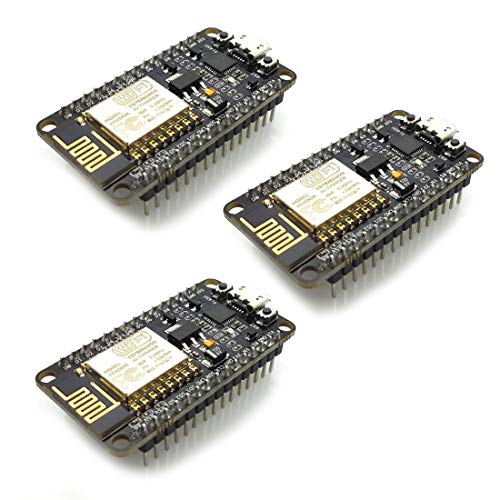
ESP8266 Development Board
Why Choose ESP8266:
- Best Value: Often half the price of ESP32 ($2-$7 range)
- WiFi Included: Still provides WiFi connectivity
- Ecosystem: Compatible with ESP32 development tools and libraries
- Sufficient Power: 160 MHz is enough for many IoT projects
- Proven: Mature platform with extensive community support
- Trade-off: Less RAM (80 KB), no Bluetooth, single-core
ESP32-C3
💰 Price
$3 - $10
⚡ Performance
160 MHz RISC-V
🎯 Best For
Open-source fans

ESP32-C3 Development Board
Why Choose ESP32-C3:
- Open Architecture: RISC-V instruction set (open standard)
- Full Connectivity: WiFi and Bluetooth included
- Ecosystem: Compatible with ESP-IDF and Arduino frameworks
- Modern: Newer chip with improved power efficiency
- Good Memory: 400 KB RAM, 4 MB Flash
- Same Price Range: Similar cost to ESP32 ($3-$10)
Please bear in mind that these are just a few alternatives out of the whole wide market. To choose an alternative for ESP32 you have to consider the requirements and constraints of your project and weigh them against the available options.
Head-to-Head Comparisons #
Looking at the table, let's see how the ESP32 stands in comparison to other similar microcontroller alternatives, in more detail.
ESP32 vs Raspberry Pi Pico
✓ Similar connectivity options (WiFi, Bluetooth)
✓ ARM architecture advantage
~ Slightly less processing power (133 MHz vs 240 MHz)
~ Slightly more expensive
ESP32 vs STM32 Series
✓ ARM Cortex-M processors
✓ Significantly more processing power (up to 480 MHz)
✓ Professional-grade reliability
✗ Higher price range ($5-$30)
ESP32 vs Arduino Nano
✓ European-manufactured (Arduino brand)
✓ Trusted simplicity and reliability
✗ Much less processing power (16 MHz vs 240 MHz)
✗ No WiFi or Bluetooth connectivity
✗ Higher price range ($5-$20)
ESP32 vs Teensy
✓ ARM Cortex-M7 processor
✓ Triple the processing power (600 MHz vs 240 MHz)
✓ Excellent for audio applications
✗ Smaller community and ecosystem
✗ Higher price range ($20-$35)
ESP32 vs nRF52840
✓ ARM Cortex-M4 architecture
✓ Excellent BLE and NFC support
✓ Relatively affordable ($7-$20)
~ Less processing power (64 MHz vs 240 MHz)
✗ No WiFi connectivity (Bluetooth only)
Choosing the Right Microcontroller Board #
🎯 Key Takeaways
✅ Stay in the ESP family first: Before looking elsewhere, consider ESP8266 (budget) or ESP32-C3 (RISC-V architecture) - they're cheaper and maintain ecosystem compatibility.
✅ ARM architecture: Raspberry Pi Pico offers the best value, while STM32 brings maximum performance for demanding applications.
✅ Specialized needs: Teensy excels at audio projects, nRF52840 dominates BLE applications, and Arduino Nano provides trusted simplicity.
✅ No single winner: Each board has strengths in cost, processing power, connectivity, and ecosystem support - match your choice to your project requirements.
Summary #
Overall, in this article, we have discussed various alternatives to ESP32 microcontroller boards, including Raspberry Pi Pico, STM32 Series, Arduino Nano, Teensy, nRF52840 and other ESP family microcontrollers. We have seen that each of these boards has its strengths and weaknesses such as cost, processing power, connectivity options and programming language compatibility.
When choosing an ESP board, it is important to remember, that it includes several versions, most considerable being ESP8266 or ESP32-C3, which comes with a RISC-V architecture, before looking for the alternatives.
If the ESP board does not suit your project requirements, the Raspberry Pi Pico is a good alternative for projects requiring a balance of processing power connectivity and capacity, while the Teensy family microcontrollers are suitable for projects requiring advanced communication interfaces and high-speed computing.
It's important to remember that this article covers only a small portion of the many ESP32 alternatives on the market. If you did not find a suitable alternative in this article, there are plenty of less popular options that might suit you the best, taking into consideration the requirements and constraints of the project.
Frequently Asked Questions #
What is the best alternative to ESP32?
The best ESP32 alternative depends on your project requirements:
- Budget WiFi projects: ESP8266 ($2-$7) - Best value for money
- ARM architecture: Raspberry Pi Pico ($4-$10) - Similar features, ARM ecosystem
- Maximum performance: STM32 (up to 480 MHz) or Teensy (up to 600 MHz)
- BLE specialist: nRF52840 - Best Bluetooth Low Energy support
Is Arduino better than ESP32?
Arduino and ESP32 serve different purposes. ESP32 is more powerful but Arduino is simpler:
ESP32 advantages: 240 MHz processor, WiFi + Bluetooth, 520 KB RAM, $3-$10
Arduino Nano advantages: Easier for beginners, larger community, simpler architecture, $5-$20
Choose Arduino for simple projects and learning. Choose ESP32 for WiFi/Bluetooth IoT projects requiring more processing power.
What is better than ESP32?
Several microcontrollers exceed ESP32 in specific areas:
- STM32: Up to 480 MHz processing power for demanding applications
- Teensy 4.1: Up to 600 MHz, excellent for audio processing
- nRF52840: Superior BLE performance and low power consumption
However, ESP32 offers the best balance of features, connectivity (WiFi + Bluetooth), and price ($3-$10) for most IoT projects.
What is the ESP32 successor?
Within the ESP family, newer options include:
- ESP32-C3: Open-source RISC-V architecture, $3-$10
- ESP32-S3: Enhanced performance and better AI/ML support
- ESP32-C6: WiFi 6 support, improved power efficiency
- ESP32-P4: Upcoming with even more processing power (development stage)
However, the original ESP32 remains popular and well-supported with extensive community resources.
Can I use STM32 instead of ESP32?
Yes, STM32 is a powerful ESP32 alternative with:
- ARM Cortex-M processors (up to 480 MHz)
- Extensive peripherals and professional-grade reliability
- Price range: $5-$30
However: STM32 typically costs more and doesn't include built-in WiFi/Bluetooth like ESP32.
Choose STM32 for performance-critical applications where you don't need integrated wireless. Stick with ESP32 if you need WiFi/Bluetooth at a lower price point.
Is Raspberry Pi Pico better than ESP32?
Raspberry Pi Pico and ESP32 are similar but have key differences:
Raspberry Pi Pico:
- ARM Cortex-M0+ (133 MHz)
- 264 KB RAM, 2 MB Flash
- WiFi + Bluetooth
- $4-$10
ESP32:
- Tensilica LX6 (240 MHz)
- 520 KB RAM, 4 MB Flash
- WiFi + Bluetooth
- $3-$10
ESP32 has more processing power and RAM. Choose Pico for ARM ecosystem compatibility, ESP32 for better performance.
What is the cheapest ESP32 alternative with WiFi?
ESP8266 is the cheapest WiFi microcontroller alternative at $2-$7 (often half the price of ESP32).
Features: 160 MHz processor, WiFi connectivity, compatible with ESP32 development tools
Perfect for budget WiFi IoT projects. Trade-off: No Bluetooth, less RAM (80 KB vs 520 KB), single-core processor.
ESP32 vs Teensy: Which is better for audio?
Teensy 4.1 is significantly better for audio processing:
- ARM Cortex-M7 at 600 MHz (2.5x faster than ESP32)
- 1 MB RAM vs 520 KB
- Optimized audio libraries and hardware
- Price: $20-$35
Trade-off: Teensy lacks built-in WiFi/Bluetooth
Choose Teensy for professional audio projects. Choose ESP32 for WiFi-connected audio with moderate processing needs.