What's the difference between the ESP32 and the ESP32-S3?
Both are dual-core 240 MHz chips with Wi-Fi and Bluetooth. The ESP32-S3 adds native USB, more GPIOs, and AI/vector instructions for machine-learning workloads, while the original ESP32 has a built-in DAC and is cheaper and more mature. See the full chip comparison.
Which ESP32 chips have native USB?
The S2, S3, C3, C6 and H2 include a built-in USB peripheral (USB-OTG or USB-Serial-JTAG), so they can be flashed without an external USB-to-UART chip. The original ESP32 does not. More on this in our USB-C ESP32 boards guide.
Which ESP32 supports Matter, Thread or Zigbee?
The ESP32-C6 (Wi-Fi 6 + BLE + 802.15.4) and ESP32-H2 (BLE + 802.15.4, no Wi-Fi) carry the 802.15.4 radio needed for Thread and Zigbee, making them the go-to chips for Matter.
ESP32 vs ESP8266 - which should I choose?
The ESP32 is the more powerful successor: dual-core (vs single), more GPIOs, Bluetooth, and more memory. The ESP8266 remains a cheaper pick for simple Wi-Fi-only projects.
How many ESP32 boards are there?
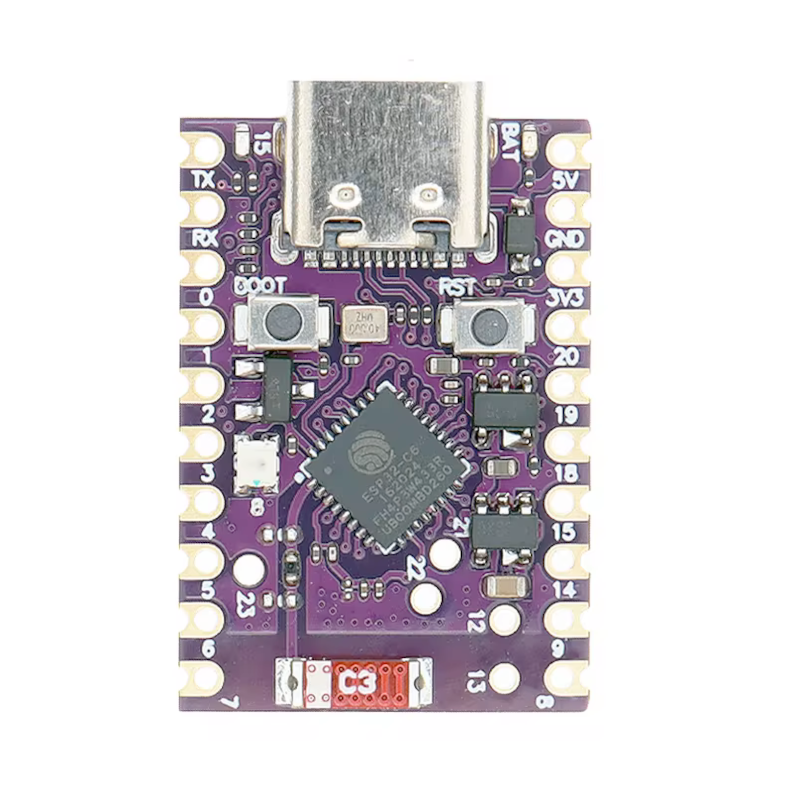
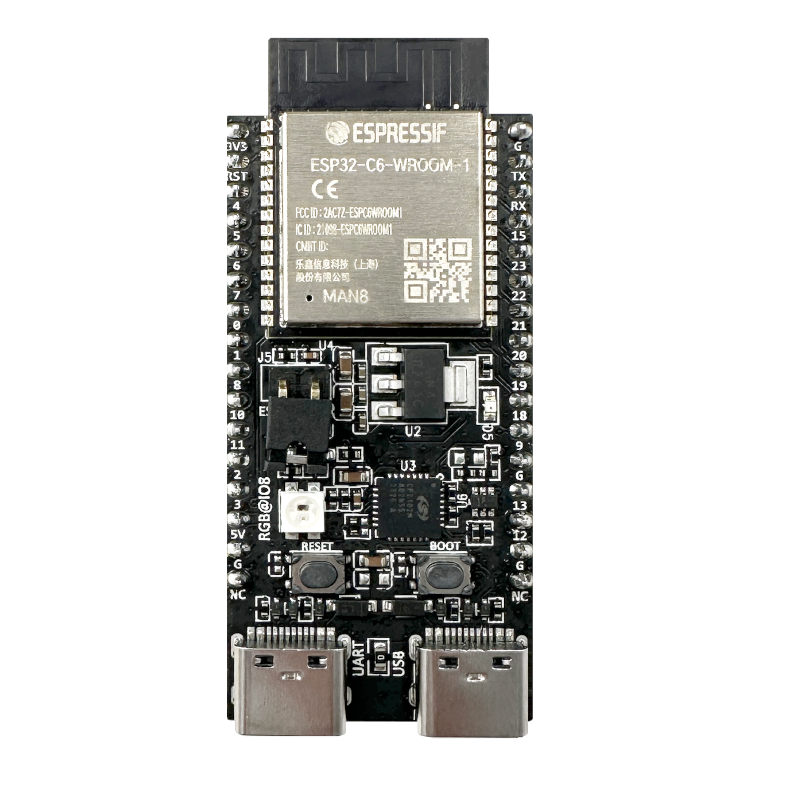
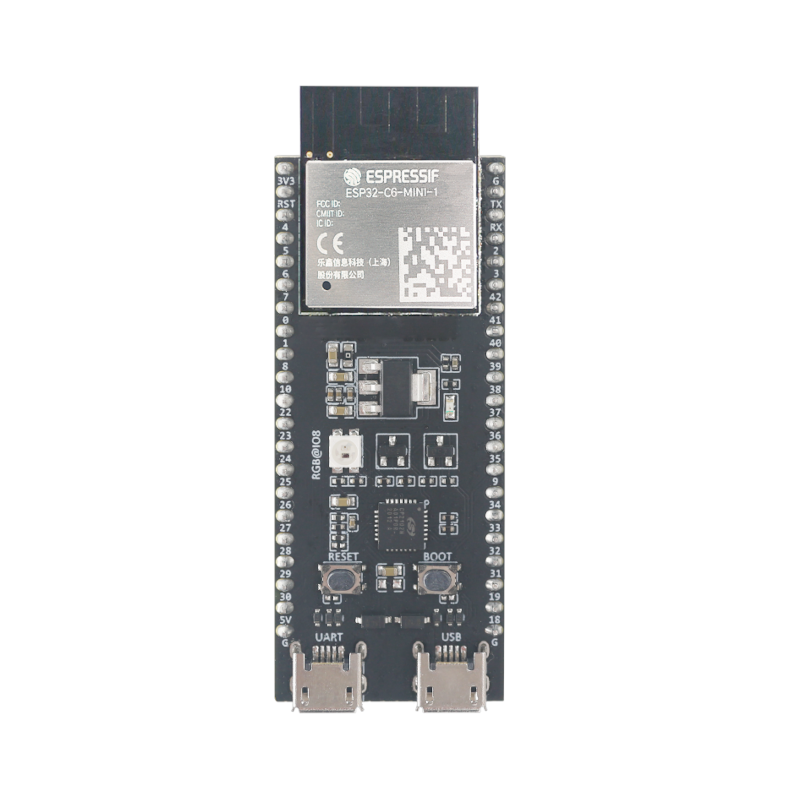
We currently document 270 ESP32 boards from 73 manufacturers across six chip families. Use the tabs and filters above to browse by chip, manufacturer or board type.
We use cookies to enhance your browsing experience, serve personalized content, and analyze our traffic. By clicking "Accept All", you consent to our use of cookies. Learn more